
Travel + AI Playbook
How I Use AI to Save Hundreds on Travel (Without the Usual Headaches)
Planning a trip used to feel like a second job. Now I use AI as a first-pass assistant to cut through noise, compare better options fast, and save real money.
The strategy is simple: use better prompts, stay flexible, and always run a final double-check before booking anything.
Flights - Where Most People Light Money on Fire
Flights are still the easiest place to overpay, sometimes by a lot.
Prompt to Use
"Find the best flight options from NYC-area airports to West Palm over a flexible 4-5 day window. Prioritize price and convenience."
That immediately surfaces cheaper travel days, alternate airports, and whether a layover is actually worth it.
Flexibility = savings.
I still verify on Google Flights, then book direct with the airline for points and fewer surprises.

Hotels - Location Saves You More Than the Room
A common mistake is searching "best hotels in Chicago" and ending up far from where you actually want to be.
Prompt to Use
"Best walkable neighborhoods in Chicago for food and nightlife, plus solid hotels under $250/night."
Now you are solving for total trip value, not just room quality.
- West Loop for food.
- River North for central access.
- Lincoln Park for a calmer base with options.
A slightly better location beats a slightly nicer room almost every time.
Restaurants - Where Tourist Traps Drain Your Budget
Many "Top 10" lists are sponsored noise. You pay more for less.
Prompt to Use
"Give me great local restaurants in Los Angeles - casual and upscale, strong reputation, minimal tourist traps."
Ask what each place is known for, what is worth the price, and what to skip.
Tourist traps are often 30-50% more expensive for worse food.

Itineraries - Where AI Quietly Saves You Time and Money
This is where AI planning compounds value quickly.
Prompt to Use
"Plan a 3-day trip to San Diego focused on beaches, food, and walkable areas. Minimize travel time."
You get grouped stops, less backtracking, and a logical route for each day.
Bad planning does not just waste time; it also leaks money through transportation and rushed choices.

The Sneaky Stuff That Adds Up
Budget Reality Prompt
"What should I expect to spend per day in Nashville?"
Prevents the "how did I spend that much?" moment.
Packing Prompt
"What should I pack for London in October?"
Smarter packing prevents last-minute purchases you did not plan for.
Transit Prompt
"Best way from the airport to downtown without overpaying?"
That one question can save $60-$100 right after landing.

Why This Works (and Where People Mess It Up)
AI works best when used as a sharp assistant, not the final decision maker.
- Cuts through noise.
- Surfaces better options faster.
- Clarifies tradeoffs before you spend.
AI is the first pass. You are still the decision engine.
The Double-Check System (Do Not Skip This)
- Confirm flight details on Google Flights.
- Check recent hotel reviews and guest photos.
- Verify restaurant hours and reservation policy.
Think of this as risk control before committing money.
Where the Real Savings Come From
This is not one giant hack. It is stacked small wins:
- Avoid overpriced flights.
- Choose better-value hotels in better locations.
- Skip overpriced restaurants.
- Reduce wasted transit and backtracking.
Together, those decisions can easily save hundreds per trip.
Final Thought
AI will not make you a great traveler by itself. It will help you avoid overpaying, skip bad decisions, and plan smarter much faster.
Spend less. Waste less time. Travel better.
Quick Prompts to Steal
- "Find the cheapest flight options from [city] to [city] with flexible dates."
- "Best neighborhoods and hotels under $X in [destination]."
- "Great local restaurants in [city] that are not tourist traps."
- "Plan a 3-day itinerary in [city] with minimal travel time."
Customize for your priorities, then verify every recommendation before booking.
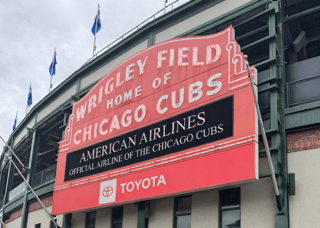
All photos from this post taken by the author.